Facebook
 X
X
 Pinterest
 Copy Link
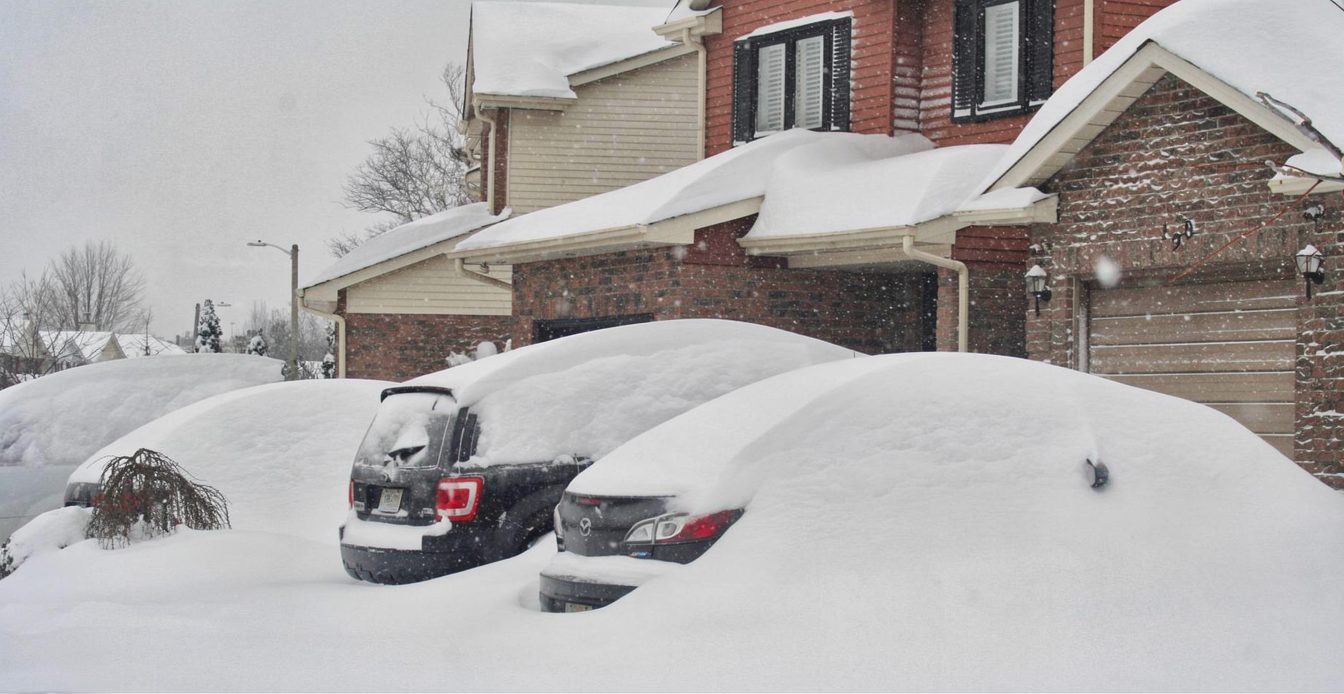
A historic winter storm cooled January activity in parts of Central Canada, but rising inventory and steady fundamentals suggest the year ahead may favour prepared buyers and strategic sellers.
February 18, 2026 – National home sales declined 5.8% in January compared to December, as severe winter weather disrupted activity across the Greater Golden Horseshoe and Southwestern Ontario. On a year-over-year basis, sales were down 16.2%. At the same time, new listings increased by 7.3% month over month, pushing the national sales-to-new-listings ratio to 45% and bringing overall market conditions into balanced territory.
The national average home price was $652,941 in January, down 2.6% compared to the same time last year. The MLS Home Price Index declined 0.9% month-over-month and sits 4.9% below January 2025 levels. Inventory rose to 4.9 months nationally, just shy of the long-term average of five months.
A Market on Pause
January’s numbers tell a story of timing more than trend. In many parts of Ontario, historic snowfall slowed both buyers and sellers. In contrast, markets in Montreal, Quebec City, Calgary, Greater Vancouver, and Victoria saw stronger listing activity to start the year.
This regional divergence reinforces what real estate professionals know well. All real estate is local.
“When we see a pullback like this in January, especially one tied to extreme weather, it is important not to overreact,” said Karim Kennedy, Chief Executive Officer of Coldwell Banker Canada. “Inventory is building in many regions, which gives buyers more choice. Sellers are entering the market early. That combination creates the foundation for an active spring.”
With nearly 140,680 properties listed nationally at the end of January, supply is improving compared to last year, even if it remains below the long-term seasonal average. The current sales-to-new-listings ratio of 45% signals a more balanced environment, offering space for negotiation and thoughtful decision-making.
Where Prices Stand
While headline numbers show modest year-over-year price declines nationally, the picture varies significantly by region.
Some Ontario markets, including Hamilton, Burlington, Oakville and Milton, recorded sharper corrections, while cities including Sudbury, Quebec City, and St. John’s saw double-digit annual price gains. British Columbia, Alberta, and Ontario experienced broader year-over-year softness, offset by stability and growth in other provinces.
“We’re seeing the market recalibrate itself,” explained Hashim Arthur, Chief Operating Officer of Coldwell Banker Canada. “Buyers are more informed and intentional. Sellers are pricing with realism. That balance creates confidence. When confidence returns, activity follows.”
Trends to Watch
Several broader trends support a cautiously optimistic outlook for the months ahead.
First, inventory is returning. The 7.3% jump in new listings to start the year suggests sellers are ready to engage. A healthier supply pipeline reduces pressure and creates better outcomes on both sides of the transaction.
Second, first-time buyer momentum continues to build. Millennials remain the largest homebuying demographic in Canada, and many are entering peak earning years. After several years of affordability constraints and competition fatigue, a more balanced market offers a meaningful opening.
Third, rate stability is restoring confidence. While borrowing costs remain higher than the pandemic era, the pace of volatility has slowed. Predictability in interest rates allows households to plan.
Fourth, regional opportunity is widening. As major urban markets normalize, secondary and mid-sized cities continue to show resilience. Canadians are increasingly prioritizing lifestyle, space, and long-term value rather than chasing short-term price acceleration.
If winter weather suppressed January momentum in parts of Central Canada, it simply delayed transactions rather than eliminated them.
“The fundamentals of Canadian housing remain strong,” added Kennedy. “People form households. Families grow. Careers evolve. Those life moments do not stop because of one snowy month. They create demand that reemerges in the spring.”
Clarity, Choice, and Strategy
With 4.9 months of inventory nationally, Canada is sitting near the long-term balance point between buyers and sellers. This is a strategic market.
For buyers, this environment offers room to compare properties, conduct due diligence, and negotiate thoughtfully. For sellers, preparation and professional marketing remain critical to standing out in a more competitive landscape.
As 2026 unfolds, the early pause in activity may ultimately serve as a reset. A steadier, more balanced market allows for better decisions and more sustainable growth.
Whether you are considering buying, selling, or simply watching the market evolve, Coldwell Banker Canada sales professionals are here to guide you home with confidence, expertise, and clarity.