Facebook
 X
X
 Pinterest
 Copy Link
Canada’s Housing Market Is Balanced on Paper and Local in Practice

The national numbers point to greater stability, while regional and property-level trends tell a much more complex story.
Canada’s housing market continued to build momentum in July, with sales rising for a fourth consecutive month and the national benchmark price recording its first monthly increase since November 2024.
The latest numbers from the Canadian Real Estate Association suggest the hesitation that shaped the beginning of 2026 may be easing. Buyers are gradually returning, prices are showing stronger signs of stability, and markets across the country are moving closer to a more familiar balance between supply and demand.
National home sales increased 0.5% from June, while new listings declined 1.6%. The sales-to-new listings ratio tightened to 51.3%, and the national average sale price reached $674,819, up 0.2% from July 2025.
July delivered something potentially more useful than a dramatic jump in activity: a fourth consecutive month of measured progress.
“Four months of rising sales gives buyers and sellers a clearer sense of where the market is heading,” notes Karim Kennedy, CEO, Coldwell Banker Canada. “Activity is building at a manageable pace, prices are beginning to stabilize, and people have more information to work with. That consistency can be just as important to consumer confidence as a large increase in sales.”
The Market Is Moving Forward Without Racing Ahead
The national sales-to-new listings ratio increased to 51.3%, moving closer to its long-term average of 54.7%. CREA generally considers readings between 45% and 65% consistent with balanced conditions.
There were 4.7 months of inventory nationally at the end of July, the lowest level recorded so far in 2026 and slightly below the long-term average of five months. The 205,388 residential properties listed for sale were only 1.5% above the long-term average for July.
The recovery is still developing. Actual sales were 5.3% below July 2025, even after four consecutive monthly gains. Month-over-month growth shows that activity is moving forward, while the annual comparison shows there is still room to recover.
The decline in new listings also matters. New supply fell for a third consecutive month, meaning the market is tightening as buyers return and fewer sellers list.
If that pattern continues into the fall, buyers could encounter more competition before substantial annual price growth appears in the national numbers. Sellers may benefit from fewer competing listings, although buyers remain highly attentive to value, condition and presentation.
Price Stability Reaches an Important Milestone
The National Composite MLS® Home Price Index edged up 0.1% between June and July, marking its first monthly increase since November 2024.
The benchmark remained 3.3% below July 2025, though annual declines have been shrinking since January. July’s reading was the smallest year-over-year decrease since October 2025.
For consumers, the direction of prices can influence confidence as much as the price itself. A more stable benchmark gives buyers a clearer foundation for evaluating a purchase and helps sellers price according to current conditions.
“The first monthly increase in the benchmark price is a small number with a bigger psychological impact,” shares Kennedy. “Buyers still want value, and they are paying close attention to affordability. Greater stability helps them feel more confident that they understand the market they are entering.”
The benchmark price also provides a clearer view of underlying trends than the national average, which can shift depending on the mix of properties sold during a particular month.
Canada’s ‘Balanced’ Market Includes Very Different Realities
The national market is moving closer to balance, though few individual markets look exactly like the Canadian average.
In Metro Vancouver, active listings were 26.8% above the 10-year seasonal average, while sales were 18.6% below the average. The region’s composite benchmark price declined 6.2% year over year to $1,088,800. Buyers continue to have choice, although an 11.5% drop in new listings suggests supply is beginning to contract. Greater Vancouver REALTORS®
Ontario also continues to offer more supply than usual. Active listings were 40.2% above the province’s 10-year average, and the benchmark price was 3.9% lower than last July. That inventory is retreating, with new listings down 10.8% and active supply down 5.1% year over year. Ontario Real Estate Association
The shift was particularly visible in the Greater Toronto Area, where seasonally adjusted sales increased for a fifth consecutive month while new listings fell 17.8%. Prices remain below last year’s levels, giving many buyers better value, while declining supply could gradually reduce their negotiating room.
Saskatchewan sits at the other end of the spectrum. The province entered August with approximately 2.33 months of effective supply, more than 50% below its long-term average. Sales through the first seven months of the year remained more than 8% above the 10-year average, and the benchmark price was nearly 4% higher than a year ago.
Conditions were even tighter in Saskatoon, which had approximately 1.27 months of effective supply. Saskatchewan REALTORS® Association
Newfoundland and Labrador provided another striking contrast. Active listings reached their lowest July level in more than two decades, sales were 12.3% above the 10-year average, and the benchmark price rose 9.3%.
The province had 4.3 months of inventory. While that appears relatively balanced nationally, it is exceptionally tight compared to Newfoundland and Labrador’s long-term July average of 8.3 months. Newfoundland and Labrador Association of REALTORS®
“Canada may be balanced on paper, while consumers experience the market property by property and neighbourhood by neighbourhood,” explains Kennedy. “A buyer considering a condo in Calgary may have time and negotiating room, while someone looking for a well-priced home in Saskatoon could still face considerable competition. Local context is what makes the national numbers useful.”
One Property Type Can Tell Several Stories
July’s results also show why broad assumptions about a particular type of home can be misleading.
Apartment benchmark prices declined 7.5% in Metro Vancouver, more than 8% in Calgary, 6.9% across Ontario and 7.8% in Nova Scotia.
In Calgary, apartment condominiums had nearly five months of supply, and the benchmark price was 13% below its 2024 peak. More than 17,000 apartment-style units remain under construction, adding further choice to the market. Calgary Real Estate Board
Attached homes are experiencing very different conditions in parts of Atlantic Canada. Townhouse and row-home benchmark prices increased 17.8% in New Brunswick and 15% in Newfoundland and Labrador.
The difference suggests that local construction, affordability, population trends and available inventory are having a greater influence than property type alone. A market can be balanced overall while favouring buyers in one segment and sellers in another.
Interest Rate Stability Is Helping, Though the Outlook Is Not Settled
The Bank of Canada held its policy rate at 2.25% in July. While its latest survey of market participants showed a median expectation that the rate would remain unchanged through 2026, some financial markets and economists have raised the possibility of an increase later this year or in early 2027.
That speculation has been fuelled partly by renewed inflation concerns. Canada’s annual inflation rate reached 3% in July, driven largely by higher gasoline prices. Core inflation remained close to 2%, suggesting underlying price pressures are still relatively contained.
For buyers, the current environment offers a degree of stability, although borrowing costs are not guaranteed to remain unchanged. Understanding how a modest increase could affect monthly payments can help buyers plan with greater confidence.
What Brokers Should Be Thinking About
A more active and locally varied market creates an opportunity for brokerages to help agents strengthen their client conversations.
Consumers want to know how much inventory is available in their neighbourhood, whether that inventory is changing, how comparable properties are performing and what level of competition they should expect.
Agents need current data, training, marketing resources, technology and leadership that help them translate those details into practical advice.
“Four consecutive months of rising sales is a signal for brokerages to start preparing for renewed opportunity,” explains Paul Abbott, National Vice President, Franchise Development, Coldwell Banker Canada. “This is the time to help agents reconnect with buyers who stepped back, start conversations with sellers who have been on the sidelines and strengthen their pipelines heading into the fall. The brokerages that act on these early signals will be best positioned if activity continues to build.”
Brokerages that continued investing in their people during slower periods now have an opportunity to turn that preparation into stronger client relationships and better business outcomes.
The Broader Story
July’s housing numbers continue the measured momentum that began in the spring.
Sales have risen for four consecutive months, inventory is tightening, and the national benchmark price has recorded its first monthly increase since November 2024.
The experience on the ground remains highly local, shaped by inventory, affordability, property type and the number of active buyers in each community. If sales continue to rise and new listings remain limited, the fall market could become more competitive before national prices record substantial annual growth.
For now, Canada’s housing market appears to be finding its footing one region, neighbourhood and property type at a time.
Whether you are considering buying, selling or just watching the market evolve, Coldwell Banker Canada real estate professionals are here to guide you home with confidence, expertise and clarity.
Canada’s Housing Market Shows Signs of a Stronger Second Half of 2026

The Canadian housing market in June 2026 continued to gain momentum, with sales rising for a third consecutive month and prices showing their clearest signs of stability in more than a year.
The latest numbers from the Canadian Real Estate Association suggest the market is slowly working its way out of the hesitation that defined the beginning of 2026.
National home sales increased 0.5% in June compared to May. That followed a 5.5% increase in May and a 0.9% gain in April, placing sales activity approximately 7% above where it stood in March.
New listings declined for a second consecutive month, the sales-to-new listings ratio moved back above 50%, and the national benchmark price held steady month over month for the first time since January 2025.
June did not bring the kind of dramatic jump we saw in May. It offered something potentially more important: another month of steady progress.
“The market is beginning to feel more predictable,” explains Karim Kennedy, CEO, Coldwell Banker Canada. “Buyers and sellers have spent the past few years adjusting to changing rates, changing prices, and changing expectations. As those conditions become easier to understand, more people are becoming comfortable moving forward.”
The Market Is Becoming More Balanced and More Active
June’s numbers point to a market that remains balanced while gradually becoming more competitive.
The national sales-to-new listings ratio increased to 50.2%, up from 49.3% in May. That was the first time the measure moved above 50% in 2026, though it remains below the long-term average of 54.8%.
There were 4.8 months of inventory nationally at the end of June, unchanged from May and slightly below the long-term average of five months.
These conditions continue to provide buyers with a reasonable amount of choice while giving sellers a stronger pool of active purchasers.
The decline in new listings also matters. Sales are continuing to grow while fewer homes are entering the market, creating slightly tighter conditions heading into the second half of the year.
The national market is still far from overheated. It is becoming more active, more balanced, and easier for both sides of the transaction to navigate.
Price Stability Is Bringing Buyers Back
One of the most significant developments in June was the National Composite MLS® Home Price Index holding steady from May.
It was the first month since January 2025 that the index did not decline month over month.
Benchmark prices were still down 3.6% compared to June 2025, though that was the smallest annual decline since last October. The national average sale price reached $696,078, up 0.5% from the same month last year.
For buyers, price stability can be as influential as a price decrease. Many prospective purchasers have spent the past year wondering whether values would continue to fall and whether waiting could put them in a stronger position. As prices stabilize, that uncertainty begins to ease.
Buyers can assess properties with greater confidence. Sellers can price according to current conditions. Conversations about value become more grounded in what is happening now.
“The biggest shift may be that buyers are beginning to trust the market again,” shares Kennedy. “They still want value, they are still paying close attention to affordability, and they’re taking their time. They’re also gaining more confidence that the market is finding its footing.”
Mortgage Rates Are Only Part of the Confidence Story
Borrowing costs remain a major consideration for Canadian homebuyers, though the outlook became somewhat clearer through June.
Fixed mortgage rates eased from their spring highs, and expectations of another near-term Bank of Canada rate increase became less pronounced. That gives buyers a more stable foundation for planning.
The wider economic picture remains mixed. Canadian employment increased modestly in June, while the national unemployment rate edged down to 6.5%. Inflation remained elevated, and households continued to face pressure from housing costs, groceries, energy prices, and other everyday expenses.
Trade tensions and global conflict are also influencing consumer confidence. These factors may not appear directly in a housing report, though they shape how comfortable people feel making a major financial decision.
The current recovery appears to be driven by greater certainty rather than a major improvement in affordability.
Buyers are moving forward when their employment feels secure, their financing is clear, and the right property fits comfortably within their plans.
A Delayed Spring Market Continues Into Summer
May’s sales increase suggested the spring market had arrived later than usual. June reinforces that story.
Activity is now approximately 7% higher than it was in March, while prices are stabilizing and inventory is sitting close to historical norms. The market has gained ground without moving into the rushed conditions experienced during previous peaks, allowing buyers to remain thoughtful and giving sellers more reason to feel encouraged.
There may be a seasonal slowdown as Canadians travel and turn their attention to summer. The foundation for a more active fall market is becoming stronger, particularly if mortgage rates remain relatively stable and prices continue to hold.
Local Markets Continue to Move Differently
National activity is improving, though conditions continue to vary across the country.
Prices remain below last year’s levels in British Columbia, Alberta, and Ontario, although those declines have been getting smaller as values stabilize.
Some markets in British Columbia and Ontario continue to provide buyers with considerable selection and negotiating room. Alberta remains relatively resilient, supported by its economy and comparative affordability, though the population growth that fuelled recent demand has begun to slow.
Nova Scotia recorded its first year-over-year price decline in more than three years as the province’s market continued to cool from the stronger conditions of recent years.
These regional differences reinforce the importance of understanding what is happening locally.
A balanced national market can still include neighbourhoods with multiple offers, communities where properties take longer to sell, and housing types experiencing completely different levels of demand.
What This Means for Buyers and Sellers
For buyers, June offers more evidence that the market is becoming stable enough to make informed decisions.
Inventory remains close to normal levels, prices are levelling out, and mortgage conditions are becoming somewhat easier to anticipate. Buyers still need to understand their budgets carefully and pay close attention to local value.
They may also have an opportunity to make decisions without the urgency that defined more competitive markets.
For sellers, the continued rise in sales is encouraging. Success still depends on entering the market with realistic expectations.
Homes that are priced accurately, prepared well, and marketed to the right audience are better positioned to attract buyers who remain selective.
Strategy continues to shape results.
What Brokers Should Be Thinking About
For brokerages, the gradual increase in activity creates an important opportunity to help agents prepare for a potentially busier second half of the year.
Consumers are asking more detailed questions about pricing, financing, timing, and local conditions. Agents need access to market insight, training, marketing support, technology, and leadership that help them answer those questions clearly.
“The market may be improving, but consumers aren’t looking for generic advice,” explains Paul Abbott, National Vice President, Franchise Development, Coldwell Banker Canada. “They want to understand what these changes mean for their home, their neighbourhood, and their financial position. Brokerages that equip their agents with strong local data, practical tools, and consistent coaching will be in the best position to serve them.”
The current market also rewards consistency. Brokerages that continued investing in their people through the slower months now have an opportunity to turn that preparation into stronger client conversations and better business outcomes.
The Broader Story
June’s housing numbers continue the momentum that began in the spring.
Sales are rising, inventory is tightening slightly, and prices are showing their strongest signs of stability in more than a year.
Affordability remains a challenge, and the economic outlook continues to influence buyer confidence. The market is also becoming more predictable, allowing more Canadians to make decisions with a clearer understanding of the conditions around them.
The second half of 2026 may be more active than the first. The pace will depend on interest rates, employment, consumer confidence, and the amount of inventory available in each local market.
For now, the Canadian housing market appears to be moving forward with steady, measured momentum.
Whether you are considering buying, selling, or simply watching the market evolve, Coldwell Banker Canada real estate professionals are here to guide you home with confidence, expertise, and clarity.
Canada’s Spring Housing Market Finally Finds Its Pace

After a slower start to the year, May brought stronger sales activity as buyers and sellers became increasingly comfortable with current market conditions.
The latest numbers from the Canadian Real Estate Association suggest the spring market many expected earlier this year may have arrived a few weeks later than usual.
National home sales rose 5.5% in May compared to April, marking the strongest month-over-month increase so far in 2026. New listings edged down slightly, inventory tightened to 4.8 months, and prices continued to stabilize.
The stronger sales activity may look sudden at first glance, but many of the signs behind it have been building for months. Homes have been selling a little faster. Sale-to-list price ratios have been tightening. Price declines have slowed. Buyers and sellers are getting closer in how they understand value.
May was the first month when that started to show up more clearly in sales.
“Over the past few months, the market has become easier for people to understand,” explains Karim Kennedy, CEO, Coldwell Banker Canada. “When people feel they have a clearer picture of pricing, inventory, and timing, they become more comfortable making decisions. May suggests we’re beginning to see more of that confidence return.”
Buyers and Sellers Are Finding Common Ground
For much of the past two years, buyers and sellers have often been operating with different expectations.
Sellers were pricing based on previous market conditions. Buyers were waiting for additional price adjustments or more certainty around borrowing costs. In many cases, that gap led to longer selling times and more hesitation on both sides of the transaction.
Over the past several months, those expectations have started to move closer together.
The national sales-to-new listings ratio rose to 49.2% in May, up from 46.2% in April, while inventory moved slightly lower. At the same time, days on market have continued to improve, and prices have remained relatively stable.
Those are all signs of a market where transactions are becoming easier to put together.
“One of the healthiest signs in any market is when buyers and sellers begin seeing value through a similar lens,” notes Hashim Arthur, COO, Coldwell Banker Canada. “That kind of alignment helps transactions happen more naturally. It also helps reduce some of the uncertainty people have been feeling.”
Local Markets Continue to Tell Different Stories
As has been the case throughout 2026, local conditions continue to vary considerably.
Ontario played a significant role in May’s sales increase, while parts of British Columbia continue to offer buyers more selection than they have seen in recent years. Alberta remains one of the country’s stronger markets, supported by continued population growth, while many communities across Atlantic Canada continue to experience stable conditions with relatively limited supply.
Those differences reinforce the importance of local expertise. National trends provide context, though buying and selling decisions are ultimately shaped by neighbourhood-level conditions, property type, and local inventory.
What This Means for Buyers and Sellers
For buyers, May brought some of the conditions many had been waiting for. Prices are stabilizing, inventory remains close to normal levels, and sellers appear to be adjusting to current market expectations.
That gives buyers more room to make decisions carefully.
For sellers, the increase in activity is encouraging, though the market still rewards preparation. Homes that are priced properly, presented well, and marketed clearly are in a stronger position to attract serious buyers.
This is not a market where strategy can be an afterthought. Pricing, presentation, timing, and local expertise continue to shape results.
What Brokers Should Be Thinking About
For brokerages, May is a reminder that quieter markets are when the most important work gets done.
As activity starts to build, agents need coaching, marketing support, local market insight, and practical tools that help them guide clients with confidence. Brokerages that have continued to invest in those areas are better positioned as more consumers re-enter the market.
“Momentum tends to reward preparation,” shares Paul Abbott, National Vice President of Franchise Development, Coldwell Banker Canada. “Brokerages that continue investing in their people and support systems during a slower market are the ones best positioned when activity begins to increase. Strong leadership and consistent support make a real difference when consumers become more active.”
The Broader Story
May suggests the spring market was delayed, rather than absent.
Buyers and sellers are becoming more aligned, prices are stabilizing, and activity is beginning to build at a time of year when the market is typically at its busiest.
The months ahead will show how durable that momentum is. For now, the market appears to be moving with a little more confidence than it did earlier in the year.
Whether you are considering buying, selling, or simply watching the market evolve, Coldwell Banker Canada real estate professionals are here to guide you home with confidence, expertise, and clarity.
As Listings Return, Canada’s Spring Market Begins to Build Momentum

As inventory levels rise and prices begin to stabilize, buyers and sellers across Canada are approaching the spring market with more confidence.
The latest numbers from the Canadian Real Estate Association indicate a housing market that is beginning to shift, albeit cautiously.
National home sales edged up 0.7% in April, following several months of slower activity. New listings rose 4.1%, marking the traditional start of the spring market. Inventory also increased slightly to 5.2 months, remaining close to the long-term average of five months.
By most traditional measures, the national market is still sitting in balanced territory. What is more interesting is how that balance is beginning to take shape across different parts of the country.
In markets such as the Greater Toronto Area and parts of British Columbia, inventory has continued to build as buyers remain cautious around borrowing costs and affordability. In Alberta, activity has remained steadier, though price growth has moderated from the pace seen throughout much of 2024 and early 2025. Atlantic Canada continues to see relatively stable conditions in many communities, particularly where supply remains limited.
That regional variation is becoming one of the defining characteristics of Canada’s housing market in 2026.
Across many parts of the country, buyers are seeing more choice than they had earlier in the year, sellers are beginning to enter the market in greater numbers, and prices are showing early signs of stabilizing. With the MLS® Home Price Index edging down just 0.1% month over month, the smallest decline since October 2025, the April numbers suggest a market that is gradually finding more stability and direction.
“April is showing us that confidence does not return all at once,” explains Karim Kennedy, CEO, Coldwell Banker Canada. “It builds as buyers see more choice, sellers gain a clearer sense of where the market is headed, and pricing begins to feel more predictable. People make better real estate decisions when they can understand the conditions around them.”
Buyers and Sellers Are Beginning to Re-Engage
For much of the early part of 2026, the Canadian housing market was shaped by hesitation. Buyers were watching borrowing costs closely, sellers were weighing whether to list into a quieter market, and agents were having deeper conversations with clients about timing, pricing, and affordability. April brought more movement, though the overall pace remained measured.
The increase in new listings is especially significant because it shows that sellers are starting to participate in the spring market. That creates more choice for buyers, but it also adds more competition for sellers. Homes are no longer entering the market in the same limited supply environment that shaped parts of the past few years.
In the Greater Vancouver Area, inventory levels have continued climbing compared to last spring, giving buyers more flexibility and slightly longer decision-making timelines. In Calgary and Edmonton, listings have also increased, though sales activity has remained relatively resilient due to continued population growth and interprovincial migration. In the Greater Toronto Area, higher inventory levels are creating more negotiating room in many segments of the market, particularly in the condominium space.
For buyers, more listings can create a better opportunity to compare options, revisit neighbourhoods, and make decisions without feeling rushed. For sellers, it places more importance on pricing, preparation, and understanding what is happening locally.
Supply Is Returning Before Sales Fully Catch Up
One of the clearest stories in the April data is the relationship between listings and sales. New supply grew faster than sales during the month, pushing the national sales-to-new listings ratio down to 45.6%, compared to 47.1% in March. While that still falls within a balanced market range, it sits near the lower end and gives buyers a little more breathing room as more properties come onto the market.
Some of that may also be timing, as homes listed later in April may not translate into sales until May or June. For sellers, that creates a clearer reminder that strategy matters, especially as fresh listings give buyers more to compare.
“More choice changes the conversation for both sides of the transaction,” says Hashim Arthur, COO, Coldwell Banker Canada. “Buyers have more to compare, while sellers need to be clear on where their property fits in the local market. The homes that stand out right now are the ones that are priced thoughtfully and presented well.”
That local piece matters more now than it has in years. Conditions in Halifax do not look the same as conditions in downtown Toronto. The experience of a move-up buyer in Calgary may be very different from that of a first-time buyer in Vancouver. Even within the same city, detached homes, condominiums, and luxury properties are all moving at different speeds.
Prices Are Beginning to Stabilize
The pricing data also deserves a closer look. The national average sale price was up 2.2% year over year in April, reaching $695,412, while the National Composite MLS® Home Price Index was still down 4.2% compared to April 2025. Average prices can be influenced by the mix of homes selling in a given month, so if more higher-priced properties sell, the average can rise even while underlying benchmark prices remain softer.
The HPI gives a clearer view of how values are moving across comparable property types. In April, that measure was nearly flat month over month, which suggests the pace of price declines is continuing to ease.
That trend is beginning to show up differently across Canada. In several Ontario and British Columbia markets, prices are still sitting below year-ago levels as inventory remains elevated. In parts of Atlantic Canada and the Prairies, tighter supply conditions have helped support more stable pricing.
For consumers, this is where the market can feel confusing. Headlines may point to prices rising, while buyers and sellers in certain regions may still be seeing softer conditions. The national picture is useful, but local context matters far more when making a decision.
How Buyers and Sellers Are Approaching the Market
For buyers, April brought more choice and a little more time. That can be helpful, particularly for those who felt priced out or rushed during previous market cycles. More listings allow buyers to compare homes more carefully and approach financing with a clearer sense of what is possible.
That said, more choice does not mean every market is moving in the same way. Some neighbourhoods and property types remain competitive. Others are giving buyers more room to negotiate. The difference often comes down to local supply, price point, and property type.
For sellers, April showed that the market is still functioning, though expectations need to be grounded in current conditions. Well-positioned homes can still attract attention, especially when they are priced properly from the beginning. Homes that enter the market without a clear strategy will take longer to find the right buyer.
This is where preparation becomes more important. Pricing, staging, marketing, and local knowledge are doing more of the heavy lifting than they did in faster-moving markets.
Why Local Guidance Matters More Than Ever
For agents and brokerages, April’s numbers reinforce the importance of guidance. A market like this requires more interpretation than reaction because sales are up slightly, listings are up more significantly, prices are beginning to stabilize, and inventory remains balanced nationally while regional differences continue to shape the experience on the ground. Clients need help understanding what the numbers actually mean for their own decisions.
For agents, this is a market that rewards thoughtful advice, strong communication, and a clear understanding of local conditions. For brokerages, it reinforces the value of support systems, market insight, and tools that help agents guide clients through a careful decision-making process.
The Broader Story
April’s CREA report captures a market that is beginning to move with more consistency.
The increase in listings gives buyers more choice. The modest rise in sales suggests activity is starting to build. The smaller decline in the HPI points to prices beginning to settle. Together, those details create a picture of a market that is still cautious but gradually becoming more active.
The months ahead will depend heavily on confidence. If borrowing conditions remain predictable and consumers feel comfortable with the direction of the economy, activity may continue to build through the spring and early summer.
For now, April shows a market where buyers are watching carefully, sellers are returning gradually, and local conditions are shaping decisions more heavily than broad national headlines.
Whether you are considering buying, selling, or simply watching the market evolve, Coldwell Banker Canada real estate professionals are here to guide you home with confidence, expertise, and clarity.
A Market in Waiting, as Confidence and Timing Shape the Months Ahead

Canada’s housing market is holding steady, though buyers and sellers are taking more time as borrowing conditions and confidence continue to settle.
The latest numbers from the Canadian Real Estate Association point to a housing market that is steady on the surface, though far from settled underneath.
National home sales were nearly unchanged in March, down just 0.1% from February. The national average price softened slightly. New listings eased. Inventory remained at five months. By most traditional measures, the market is sitting in balanced territory.
Across many parts of the country, there is demand in the market. Buyers are watching closely, sellers are weighing their timing, and agents are having more layered conversations with clients than they were even a year ago. The pace is measured, and the urgency that once defined the spring market has not returned in the same way.
“Across the country, we’re seeing a market that is more patient than pressured,” explains Karim Kennedy, CEO of Coldwell Banker Canada. “Buyers are still active, but they’re taking more time to make decisions. That changes the rhythm of the spring market in a very significant way.”
The Pace Has Changed
For much of the past few years, the Canadian housing market has been shaped by extremes. There were periods of intense competition, compressed timelines, sharp price movement, and a general sense that people had to act quickly or risk missing their opportunity. March tells a different story. People are still moving, still buying, still selling, though with more caution and far more consideration.
Part of that comes down to borrowing costs. Fixed mortgage rates moved higher in mid-March, which added another layer of uncertainty at a time when many buyers were already watching the market closely. Even modest changes in financing conditions can alter behaviour, particularly among first-time buyers or households already stretching to enter the market.
The Shape of Supply Right Now
That caution is showing up in the numbers as new listings declined again in March, and overall supply remains below long-term norms. That creates an unusual kind of balance. Inventory is not building because homes are sitting unsold in large numbers. It is holding relatively steady because both buyers and sellers are moving more carefully.
“The market is adjusting through behaviour,” notes Hashim Arthur, Chief Operating Officer, Coldwell Banker Canada. “People are still engaged, though they are thinking longer, asking more questions, and weighing their next move more carefully than they have in past spring markets.”
In some markets, a slowdown is driven by excess supply. In this case, supply remains limited in many regions, even while transaction volume stays muted. That helps explain why prices have softened without giving way to a sharper correction.
Pricing in a More Measured Market
The MLS® Home Price Index was down 0.4% in March and 4.7% year over year. The national average sale price was also down slightly compared to the same time last year. Those figures point to a market that is easing rather than falling. Sellers are still transacting, though expectations need to be grounded in current conditions. Buyers have more room than they did during the peak of the market, though they are not walking into a deeply discounted environment either.
Buyers have time to compare options, review neighbourhoods, and approach financing with a clearer head. Sellers still have opportunity, though success depends more heavily on pricing, presentation, and realistic expectations. Homes that are well-positioned are still moving. Homes that enter the market with inflated pricing or little preparation are facing a tougher path.
What This Spring Is Becoming
For agents and brokerages, this kind of market tends to reveal a great deal.
When activity is easy to come by, the role of guidance can get blurred. When the market slows and clients become more cautious, experience becomes far more visible. Local knowledge matters more. Advice matters more. So does the ability to help people make good decisions without forcing the pace.
That has broader implications for the industry. For brokerages, markets like this put more weight on brand trust, agent support, and the systems behind the business. Recruitment, retention, and long-term growth are always easier in a market with strong momentum, though steadier periods often say more about the strength of a business. They show whether agents feel equipped, whether leadership is visible, and whether the brokerage is helping people navigate the market in a way that feels useful and credible.
Across The Industry
March’s CREA report captures a market that is steady, deliberate, and taking its time. That may frustrate those waiting for a more decisive spring surge. It may also offer a measure of reassurance. Inventory is not surging. Prices are not collapsing. Activity has not disappeared. What we are seeing instead is a market shaped by restraint, caution, and a more deliberate pace of decision-making.
That could change in the months ahead. If borrowing conditions settle and people start to feel more certain about where things are headed, activity may begin to pick up. There are still buyers in the market, and many sellers are still planning a move. For now, both are taking a little more time before acting.
Whether you are considering buying, selling, or simply watching the market evolve, Coldwell Banker Canada sales professionals are here to guide you home with confidence, expertise, and clarity.
Canadian Housing Market Holds Steady in February, but the Real Shift Is Happening Beneath the Surface

February extended the market’s slower start to 2026, but beneath the surface, conditions are aligning for a more selective and regionally driven spring.
March 18, 2026 – According to the Canadian Real Estate Association, national home sales dipped 1.3% month over month, while new listings declined by 3.9%. The MLS® Home Price Index edged down 0.6% compared to January and now sits 4.8% below February 2025 levels. The national average sale price came in at $663,828, effectively unchanged year over year.
At a glance, the data points to a slower market. But a closer look suggests something more complex is unfolding. February did not signal deterioration so much as it reinforced a market that is recalibrating in real time, shaped by improving financial conditions, uneven supply, and a more cautious, more selective buyer.
This is No Longer a Rate Story
For much of the past two years, the trajectory of the housing market could be explained largely through the lens of interest rates. As borrowing costs rose, activity slowed, and as expectations adjusted, the market began to stabilize. The Bank of Canada held its policy rate unchanged at 2.25% on March 18, extending the pause that began in January, yet buyer activity remains uneven across the country.
While borrowing conditions have improved from their peak, demand has not returned in a uniform way. Buyers are still active, but they are proceeding with more caution, weighing not only affordability, but timing, job security, and local market conditions.
“Rates are stabilizing, but confidence takes longer to rebuild,” says Karim Kennedy, CEO of Coldwell Banker Canada. “What we are seeing right now is a more thoughtful demand. Buyers are engaged, they are watching the market closely, and they are prepared to act, but only when the conditions feel right for them.”
This shift toward more deliberate decision-making is one of the defining characteristics of the current market cycle. Activity is no longer driven by urgency alone, but by a balanced assessment of risk and opportunity.
Supply Is Tightening, but Not in the Way Headlines Suggest
One of the more important developments in February was the decline in new listings, which fell by 3.9% and effectively erased the gains seen in January.
Because supply decreased more than sales, the national sales-to-new listings ratio tightened to 47.6%, still within balanced territory, but moving away from looser conditions.
At the same time, total inventory reached 151,850 properties nationwide, up modestly from last year, yet still well below long-term averages for this time of year. Months of inventory held steady at five months nationally, but that figure continues to mask significant regional variation.
“There is no single ‘Canadian housing market’ right now,” says Hashim Arthur, COO of Coldwell Banker Canada. “What we are seeing is a series of local markets behaving very differently based on supply, affordability, and buyer confidence. That makes it more important than ever for agents to be grounded in what is happening in their own communities, rather than relying on national headlines.”
In practical terms, this fragmentation means that while some markets remain soft, others are holding steady or beginning to show early signs of recovery. The national average, while useful context, is no longer a reliable indicator of real-time conditions on the ground.
Pricing Is Adjusting, but Stability Is Beginning to Emerge
Home prices continued to soften in February, declining 0.6% month over month and 4.8% year over year.
However, the pace of decline has moderated compared to earlier in the year, and the national average sale price remains largely unchanged compared to February 2025. This combination suggests that while benchmark prices are still adjusting, the broader pricing environment may be approaching a period of greater stability.
For buyers, this creates a window that did not exist even a year ago. More inventory, less urgency, and a more balanced negotiating environment are gradually reshaping how and when people choose to enter the market.
For sellers, it reinforces the importance of pricing accurately and understanding the nuances of their local market. In a balanced environment, strategy matters more than momentum.
Demand Is Building, but It Has Not Fully Returned
One of the most consistent themes heading into 2026 has been the expectation that pent-up demand, particularly among first-time buyers, will begin to re-enter the market. That demand has not disappeared, but it has not yet fully materialized either.
Many buyers who delayed decisions over the past two years are now closer to re-engaging, supported by more stable borrowing conditions and a clearer view of pricing. At the same time, broader economic factors, including employment trends and household confidence, continue to influence the timing of those decisions.
The result is a market that feels quieter than usual for this time of year, but not without underlying momentum.
The Spring Market Will Be Defined by Timing
As the market moves toward the spring season, the expectation is not necessarily for a sudden surge in activity, but for a more measured return of demand.
That demand is unlikely to appear evenly across the country. Instead, it will emerge in specific markets and segments, driven by local conditions, affordability, and buyer confidence.
“We are not expecting a single moment where the market turns,” adds Kennedy. “What we anticipate is a gradual return of activity, with different regions and price points moving at different times. The opportunity for brokerages and agents is to be ready for that complexity, rather than waiting for a headline that says the market is back.”
For brokerages, this reinforces the importance of preparation. Recruitment, training, and agent support will play a critical role in how effectively networks can respond as activity begins to pick up in pockets across the country.
A Market in Transition
Rather than shifting the story dramatically, February sharpened it, pointing to a market that is gradually settling into a more balanced rhythm.
Supply is adjusting, but unevenly. Demand is present, but more selective. Pricing is softening, but beginning to stabilize. And perhaps most importantly, the market is no longer being driven by a single factor, but by a combination of economic conditions, local dynamics, and buyer confidence.
For those watching closely, the takeaway is that the market is evolving. And as it does, the advantage will shift to those who understand not just what the data says, but what it means.
Whether you are considering buying, selling, or simply watching the market evolve, Coldwell Banker Canada professionals are here to guide you home with confidence, expertise, and clarity.
From Rebuilding a City to Reshaping an Industry

After 120 years of navigating market cycles and industry shifts, Coldwell Banker now operates within one of the largest residential real estate ecosystems worldwide.
 In 1906, San Francisco was rebuilding from the ground up.
The earthquake had levelled entire blocks. Homes were gone. Public records had been destroyed. Families were trying to make decisions about where to go next without knowing what, if anything, remained. In the middle of that uncertainty, a young real estate professional named Colbert Coldwell made a choice that felt counter to the moment. Rather than lean into speculation, he began publishing verified information about the properties still standing. He believed that before people could begin again, they needed something solid to stand on.
That instinct became the foundation for Coldwell Banker.
Where Trust Takes Root
Real estate has always been more emotional than it looks from the outside. Every transaction carries weight. A family choosing a neighbourhood. A business owner committing to a new location. A retiree deciding where to settle. In 1906, those decisions were about survival. Today, they are about growth, opportunity, and quality of life. The stakes may be different, but the human element has never changed.
One hundred and twenty years later, the industry operates at a completely different speed. Listings are looked up on phones before yard signs go up. Buyers compare cities across continents from their living rooms. Artificial intelligence can surface neighbourhood data in seconds. And yet, the need for guidance hasn’t disappeared. If anything, it has grown.

The North Star in the brand mark was chosen deliberately. For centuries, travellers relied on it to orient themselves when the landscape felt unfamiliar. Within Coldwell Banker, it has come to represent something similar: steady direction when decisions feel complicated.
Over twelve decades, Coldwell Banker has moved through war, recession, housing booms, and financial crises. It watched suburban communities expand after the war. It navigated markets where credit tightened, and confidence dipped. It adapted when the internet shifted listings from newspaper pages to global portals. Agreements that once required a handshake now close with a digital signature.
The mechanics evolved. The expectations rose. The commitment to integrity remained constant.
A Canadian Chapter Begins
When Coldwell Banker entered Canada in 1989, it began a new chapter shaped by a different geography and a different set of market dynamics. Over time, the brand built a presence across provinces and territories, combining global recognition with leadership grounded in Canadian realities. From large metropolitan centres to growing regional communities, growth came from understanding that each market has its own rhythm, even under a shared banner.
The Industry Reorganizes
Today, the industry is shifting again. The combination of Compass and Anywhere Real Estate reflects a broader restructuring taking place across residential brokerages. Compass built its reputation around product development and agent-facing technology. Anywhere has long been home to some of the most recognized brands in the world, including Coldwell Banker. Together, the platform now connects roughly 340,000 professionals across 120 countries and territories.
That scale changes the context in which real estate operates. A buyer in Hong Kong can discover a listing in Vancouver within seconds. A family relocating from Toronto to Calgary can be introduced through a global referral network that makes the process seamless. Data moves quickly. Capital moves quickly. People move quickly. The line between local and global is thinner than it has ever been.
Through it all, Coldwell Banker remains recognizably itself. The North Star is still there. The emphasis on professionalism and integrity is still there. What has expanded is the reach and the infrastructure around it, creating broader connectivity and deeper investment in tools that support agents and clients alike.
Local Markets in a Global Era
For Canada, that expansion is meaningful. This is a country shaped by migration and movement. Newcomers arrive seeking opportunity. Families relocate for lifestyle. Investors look across borders. As those patterns accelerate, connectivity matters.
Greater connectivity does not replace local expertise. It strengthens it. The advantage is not in being everywhere at once, but in being well-connected enough to serve people wherever they are coming from and wherever they are going next.
The next decade of real estate will unfold across new platforms, emerging technologies, and changing patterns in how people buy, sell, and invest. AI will influence pricing conversations, listing strategies will continue to evolve, and demographic shifts will reshape where people choose to live and invest. Under the same North Star that once guided San Francisco through its recovery, Coldwell Banker Canada stands within one of the most expansive real estate networks in the world, ready to meet a more complex market with more advanced tools while staying grounded in the same sense of purpose that has carried the brand for one hundred and twenty years.
One hundred and twenty years ago, our work was about helping people rebuild. Today, it is about helping them move forward with confidence.
Canadian Housing Market Opens 2026 with a Winter Slowdown, Opportunity Builds Beneath the Surface
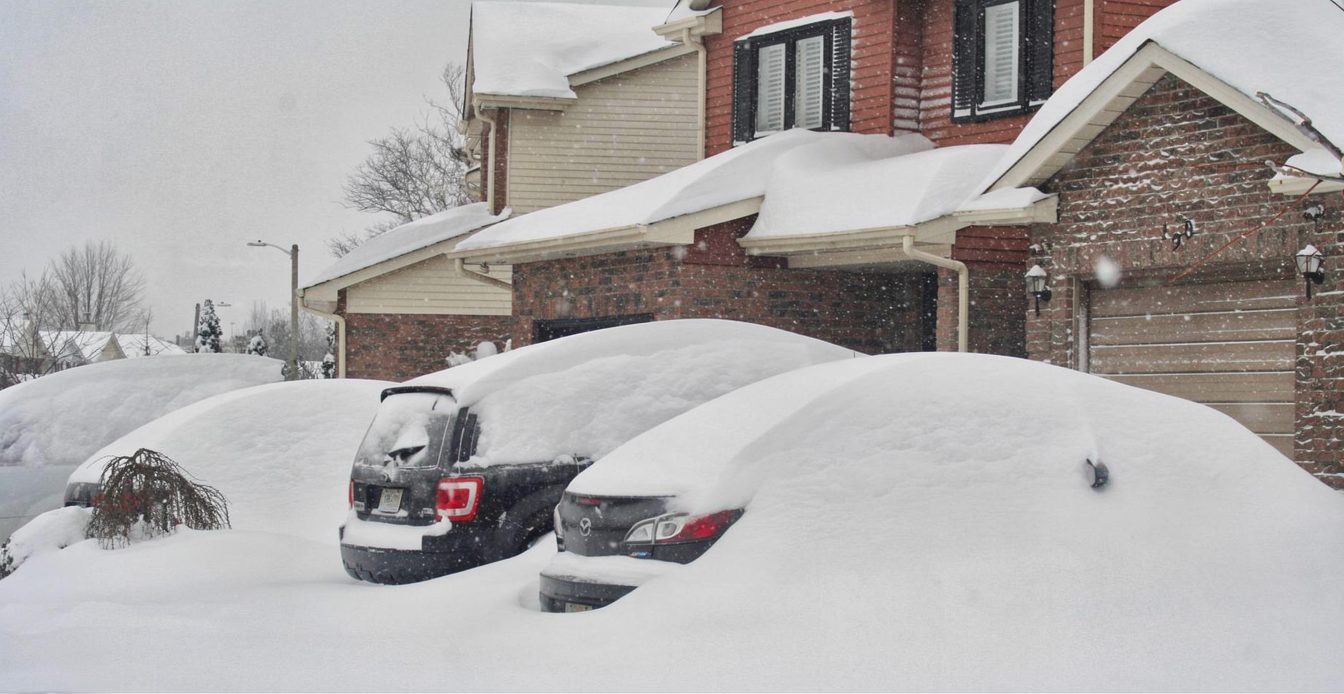
A historic winter storm cooled January activity in parts of Central Canada, but rising inventory and steady fundamentals suggest the year ahead may favour prepared buyers and strategic sellers.
February 18, 2026 – National home sales declined 5.8% in January compared to December, as severe winter weather disrupted activity across the Greater Golden Horseshoe and Southwestern Ontario. On a year-over-year basis, sales were down 16.2%. At the same time, new listings increased by 7.3% month over month, pushing the national sales-to-new-listings ratio to 45% and bringing overall market conditions into balanced territory.
The national average home price was $652,941 in January, down 2.6% compared to the same time last year. The MLS Home Price Index declined 0.9% month-over-month and sits 4.9% below January 2025 levels. Inventory rose to 4.9 months nationally, just shy of the long-term average of five months.
A Market on Pause
January’s numbers tell a story of timing more than trend. In many parts of Ontario, historic snowfall slowed both buyers and sellers. In contrast, markets in Montreal, Quebec City, Calgary, Greater Vancouver, and Victoria saw stronger listing activity to start the year.
This regional divergence reinforces what real estate professionals know well. All real estate is local.
“When we see a pullback like this in January, especially one tied to extreme weather, it is important not to overreact,” said Karim Kennedy, Chief Executive Officer of Coldwell Banker Canada. “Inventory is building in many regions, which gives buyers more choice. Sellers are entering the market early. That combination creates the foundation for an active spring.”
With nearly 140,680 properties listed nationally at the end of January, supply is improving compared to last year, even if it remains below the long-term seasonal average. The current sales-to-new-listings ratio of 45% signals a more balanced environment, offering space for negotiation and thoughtful decision-making.
Where Prices Stand
While headline numbers show modest year-over-year price declines nationally, the picture varies significantly by region.
Some Ontario markets, including Hamilton, Burlington, Oakville and Milton, recorded sharper corrections, while cities including Sudbury, Quebec City, and St. John’s saw double-digit annual price gains. British Columbia, Alberta, and Ontario experienced broader year-over-year softness, offset by stability and growth in other provinces.
“We’re seeing the market recalibrate itself,” explained Hashim Arthur, Chief Operating Officer of Coldwell Banker Canada. “Buyers are more informed and intentional. Sellers are pricing with realism. That balance creates confidence. When confidence returns, activity follows.”
Trends to Watch
Several broader trends support a cautiously optimistic outlook for the months ahead.
First, inventory is returning. The 7.3% jump in new listings to start the year suggests sellers are ready to engage. A healthier supply pipeline reduces pressure and creates better outcomes on both sides of the transaction.
Second, first-time buyer momentum continues to build. Millennials remain the largest homebuying demographic in Canada, and many are entering peak earning years. After several years of affordability constraints and competition fatigue, a more balanced market offers a meaningful opening.
Third, rate stability is restoring confidence. While borrowing costs remain higher than the pandemic era, the pace of volatility has slowed. Predictability in interest rates allows households to plan.
Fourth, regional opportunity is widening. As major urban markets normalize, secondary and mid-sized cities continue to show resilience. Canadians are increasingly prioritizing lifestyle, space, and long-term value rather than chasing short-term price acceleration.
If winter weather suppressed January momentum in parts of Central Canada, it simply delayed transactions rather than eliminated them.
“The fundamentals of Canadian housing remain strong,” added Kennedy. “People form households. Families grow. Careers evolve. Those life moments do not stop because of one snowy month. They create demand that reemerges in the spring.”
Clarity, Choice, and Strategy
With 4.9 months of inventory nationally, Canada is sitting near the long-term balance point between buyers and sellers. This is a strategic market.
For buyers, this environment offers room to compare properties, conduct due diligence, and negotiate thoughtfully. For sellers, preparation and professional marketing remain critical to standing out in a more competitive landscape.
As 2026 unfolds, the early pause in activity may ultimately serve as a reset. A steadier, more balanced market allows for better decisions and more sustainable growth.
Whether you are considering buying, selling, or simply watching the market evolve, Coldwell Banker Canada sales professionals are here to guide you home with confidence, expertise, and clarity.
Compass + Anywhere Real Estate: What This Means for Coldwell Banker Canada

On September 22, 2025, Compass and Anywhere Real Estate announced a definitive agreement to combine in an all-stock transaction. The transaction closed on January 9, 2026, with Anywhere Real Estate operating as a subsidiary of Compass.
Big headlines create big questions, especially across a network as established and trusted as ours. So we sat down with Karim Kennedy, CEO of Coldwell Banker Canada, to talk through what this means in practical terms for Canada, and where the real opportunities are for Canadian brokers and agents.
In short, the Compass + Anywhere transaction does not change Coldwell Banker Canada’s operations or leadership. Coldwell Banker remains a distinct global brand, while the combined company increases scale, referral connectivity, and long-term investment in technology and agent platforms.
Q: Karim, what happened, in plain language?
Karim Kennedy: Compass and Anywhere Real Estate combined into one company through an all-stock transaction. Anywhere is now part of the Compass family, and that matters because Anywhere has historically been home to some of the most recognized brands in real estate, including Coldwell Banker.
But I want to start where our network actually lives, which is Canada. The question everyone asks is, “What changes for us?”
And the answer is: your day-to-day does not change. Coldwell Banker Canada continues to operate with Canadian leadership, Canadian priorities, and the same focus on supporting broker owners and agents across this country.
Q: People want specifics. What are the key deal details and numbers our network should know?
KK: If we’re going to talk about this, we should talk about it accurately. The deal was announced on September 22, 2025 and closed on January 9, 2026. It was an all-stock transaction, with a combined enterprise value of approximately $10 billion.
At full scale, the combined platform brings together roughly 340,000 real estate professionals globally, operating across about 120 countries and territories. Those numbers help to explain the strategic intent. This was not positioned as a rebrand. It was positioned as a scale and platform move.
For Canada, it reinforces the two things our brokers and agents care about most: stability and advantage. Scale supports long-term investment and strengthens referral connectivity. Platform means better tools, better systems, and a more modern experience for clients that keeps the agent at the centre.
Our day-to-day in Canada doesn’t change, but the broader ecosystem around us gets stronger, and that’s an exciting position to be in.
Q: What brands are now under the combined company?
KK: The combined company includes Compass plus Anywhere’s portfolio, which includes brands like Coldwell Banker, Century 21, Sotheby’s International Realty, Christie’s, Corcoran, ERA, Better Homes, @properties and Gardens Real Estate.
But I want to be crystal clear on something: Coldwell Banker remains Coldwell Banker. This is one of the most recognizable real estate brands on the planet. You don’t buy brand equity of this magnitude to erase it.
You protect it, invest in it, and build with it.
Q: So, how does this affect Coldwell Banker Canada directly?
KK: Here’s the most practical way to frame it: this is a U.S. corporate transaction. It changes ownership at the corporate level in the U.S., but it does not rewrite how Coldwell Banker Canada operates day-to-day.
We are proudly Canadian-owned and operated, and we lead this business for the realities of the Canadian market. That means our decisions stay grounded here, our priorities stay focused on Canadian broker owners and agents, and our strategy stays built around what helps our network win in Canada.
What doesn’t change is who we are and how we support you. We remain focused on our broker owners, our agents, our clients, our growth, and our reputation in-market.
And if anything ever changes in a way that materially impacts Canada, you’ll hear it from us early and clearly. But today, the message is simple: we’re steady, we’re proud of what we’ve built, and we’re building what’s next.
Q: You sound optimistic. What’s the upside for the Canadian network?
KK: There are three main reasons I’m optimistic.
First, scale grows opportunity, especially in Canada. A platform this large increases connectivity with more relationships, more introductions, more mobility, and more referrals. When the combined organization is able to leverage 340,000 professionals across 120 countries, that’s an incredible number that creates unbelievable momentum
Canada is a destination market. We’re a relocation market. We’re a lifestyle market. A larger connected ecosystem translates into more inbound referral opportunities for Canadian agents and broker owners.
Second, a bigger organization creates positive investment pressure. When a company positions itself as “built for real estate professionals,” it creates an expectation that the platform, tools, and infrastructure will improve. That’s great news for agents and for broker owners and it means technology becomes a competitive weapon, not an afterthought.
Third, diversification supports resilience. Real estate moves in cycles. The brands that last are the ones that can keep investing through every kind of market: tight markets, soft markets, weird markets. Scale, stability, and reinvestment separate the brands that last from the ones that fade.
Q: Karim, you mentioned “tech” when we spoke. What specifically should Canada understand about the Compass tech side?
KK: Compass has been building a reputation around agent-facing technology and product development, and you can see it in what they’ve already shipped and how they talk about innovation.
Compass has already publicly positioned tools that help agents bring sharper data into listing conversations, like its Buyer Demand product, which is designed to show real-time buyer interest at different price points.
But there’s a bigger strategic thread here, and it’s the one people are really asking about: listings, distribution, and platform.
Across the U.S., the industry has been in an active conversation about listing access, private exclusives, consumer search behavior, and the role of portals. Compass has been very visible in that conversation, including around how listings move through the market.
When I talk about Compass “building a listing platform,” what I mean is this: they’re thinking about the end-to-end ecosystem. How listings are prepared, launched, marketed, and discovered, and how agents stay central in that experience rather than being disintermediated.
We are watching that evolution with a Canadian lens. Our market structure, our MLS ecosystem, and our regulatory environment are different from the U.S. But innovation in how agents present listings, how they amplify reach, and how they bring better insights to clients absolutely benefits Canadian professionals when applied thoughtfully.
Q: You know I have to ask. Will that Compass technology and listing platform come into the Canadian market?
KK: It’s a fair question, and I want to answer it responsibly. The honest truth is that it’s too early to make any commitments about specific Compass products or a listing platform being rolled out in Canada, on any timeline. This is a large integration, and decisions about technology are complex even within one market, let alone across borders.
What I can say is that we’re watching it closely and we’re already engaged in the right conversations. Canada has its own market structure, MLS environment, and regulatory requirements, and any tech that comes into our market would need to make sense here, comply here, and genuinely improve outcomes for Canadian brokers, agents, and clients.
We’re not in the business of promising tools before they’re ready or relevant. If there are opportunities to bring innovations into Canada, we’ll evaluate them through one filter: does it materially strengthen our Canadian network without creating disruption or complexity? If the answer is yes, we’ll explore it thoughtfully and back it fully. If the answer is no, we won’t force it.
If anything evolves in the future, we’ll communicate it clearly, with specifics, and with enough lead time for our network to feel confident.
Q: What concerns do you think brokers and agents are right to have?
KK: It’s normal and healthy to be thoughtful about this. When a deal makes headlines at this scale, people naturally wonder what it means for their business, their brand, and the support they rely on. Integration takes time, priorities get refined as leadership teams align, and in the U.S. there’s a lot of ongoing conversation that can add to the noise and make the moment feel more uncertain than it actually is.
What I want to be very clear about for Canada is this: nothing is changing in our day-to-day operations here. There’s no leadership change in Canada. Our focus, our strategy, and our support model remain the same.
Coldwell Banker Canada is stable, Canadian-led, and operating as we always have, with the same commitment to our broker owners and agents. So while it’s completely understandable that a headline like this can create anxiety, there’s no cause for it.
Our job is to keep the network steady, communicate clearly, and only make changes if and when there’s a real benefit for our Canadian business.
Q: Are we becoming “Compass Canada”?
KK: [Laughs] No. Coldwell Banker is, and will continue to be, Coldwell Banker.
I understand why people ask, because big headlines make it tempting to collapse everything into one simple storyline.
But this combination wasn’t designed to erase brands, it was designed to strengthen them. Coldwell Banker has more than a century of trust, recognition, and brand equity behind it, and that distinctiveness is part of what makes the portfolio valuable in the first place.
So the intention here is not to blend identities into one name. It’s to preserve what each brand stands for, invest in what makes each one strong, and ensure Coldwell Banker continues showing up in the market as Coldwell Banker with its own reputation, positioning, and global presence intact.
Q: What changes for our agents right now?
KK: Operationally, nothing changes today because of this transaction.
Your brand is the same. Your client experience is the same. Your brokerage ownership is the same. Your support from Coldwell Banker Canada continues as normal.
Q: What should agents and brokers watch over the next 6 to 12 months?
KK: I would watch for three things.
First, watch how the combined organization talks about product priorities, workflow tools, and how agents are supported at scale.
Second, I would be leaning into our referral platform. With a global footprint of over 120 countries and territories, there’s potential to make our referrals more visible and more intentional. Canada has a huge advantage here. We are a place people move to, return to, retire to, and invest in. We should be leveraging that at the brokerage level.
Third, we should be paying attention the the U.S. listing conversations, because it influences the industry. Even though the Canadian market is different, U.S. trends can create ripple effects. Listing, portals, technology and consumer behaviour matter and we are watching them closely.
Q: Last question. What do you want the Canadian network to take away from all of this?
KK: I want our network to feel our momentum. Above all else, I want people to feel confident, because this isn’t a moment of uncertainty for Coldwell Banker Canada. It’s a moment of alignment.
We have the strength of a legacy brand that Canadians already trust, and we now have even more scale behind us. That means more connectivity, more opportunity, and more investment in the tools and platforms that will define the next decade of real estate.
If you’re a broker owner, my message is this: keep building. Your business is stable, your brand is strong, and the runway ahead is long.
If you’re an agent, lean in. This is the kind of shift that can open doors, especially for those who are ready to use better tech, stronger systems, and a bigger network to grow.
And if you’re looking at where to align for the next chapter of your career, I’ll say this with complete conviction: Coldwell Banker Canada is positioned for what’s next. In fact, we’re helping to shape it.
Karim Kennedy is the CEO of Coldwell Banker Canada, guiding one of the country’s most established real estate brands into its next chapter of growth. A lifelong advocate for innovation, Karim believes great leadership is about empowering others to succeed. Drawing on more than 20 years in business, he brings a steady, forward-looking perspective to the challenges and opportunities shaping Canada’s housing market.
Canadian Housing Market Ends 2025 on a Balanced Note, Setting the Stage for Spring 2026

Buyers and sellers are embracing a calmer, strategic market as 2025 ends quietly and optimism grows for a spring revival in 2026.
January 15, 2026 – National home sales edged down 2.7% in December, marking a soft landing to an otherwise stable second half of the year. Prices declined as well, falling 4% year over year to an average of $673,335.00. With new listings down 2% and inventory sitting at 4.5 months of supply, the market remains broadly balanced. For buyers, sellers, and real estate professionals, this environment offers room for strategy, preparation, and long-term thinking.
Balanced and Stable at Year-End
After a period of rapid ups and downs, the end of 2025 finds the housing market on a much steadier footing. Supply and demand are roughly in equilibrium. At the current pace of sales, there is about 4.5 months of inventory, just shy of the long-term norm of 5 months. This means we are neither in a frenzied seller’s market nor a stalled buyer’s market, but something in between. Buyers have become more cautious and deliberate, and sellers are adjusting their price expectations to these conditions. There’s no panic on either side. In fact, the quieter year-end has allowed both buyers and sellers to catch their breath and plan their next steps.
“The past few years have pushed Canadians to rethink what stability really means in real estate,” noted Karim Kennedy, Chief Executive Officer of Coldwell Banker Canada. “Now we are seeing people make decisions with clearer intentions. They aren’t chasing the market. They’re acting when the timing and lifestyle fit. That shift will be key in how the next phase of the housing cycle unfolds.”
In many regions, sellers are making price concessions to close before year-end, while buyers are using this window to assess affordability and build a plan. The market may feel quieter, but it is not dormant. Behind the scenes, Canadians are preparing for what comes next.
Where Prices Stand Heading into 2026
Home prices in Canada have largely levelled off after the swings of the past few years. In December, the national average price was essentially flat compared to a year earlier, signalling that overall values have held their ground. The small declines that do show up in the index numbers are mostly the after-effect of earlier price surges in a few hot markets.
Most of the slight year-over-year dip in values came from Canada’s priciest regions like Toronto, Vancouver and parts of Southern Ontario that saw price spikes during the pandemic boom. By contrast, many smaller cities and more affordable areas (such as parts of the Prairies and Quebec) have managed to hold steady or even see slight gains.
Trends to Watch
Canadian millennials continue to defy expectations by leading homebuying demand. According to Wahi’s 2026 Homebuyer Intentions Survey, 25% of millennials say they are likely to purchase a home this year, up from 23% in 2025. Overall demand remains steady at 17% across all age groups, even amid persistent concerns about costs, employment, and affordability. While Gen Z interest declined slightly to 15%, Gen X intentions held at 18%, and baby boomers edged up to 10%.
This rising interest among millennial buyers is a signal that the spring market could see meaningful engagement from a key demographic. Many are now financially prepared, more informed, and motivated by lifestyle goals rather than pure investment.
“Millennials aren’t waiting for the perfect conditions anymore. They’re moving forward with clear priorities and smart preparation,” explained Hashim Arthur, Chief Operating Officer of Coldwell Banker Canada. “We’re seeing more first-time and move-up buyers entering the market with a game plan and trusted advice behind them. Their confidence is real, and it’s reshaping the narrative as we head into 2026.”
Clarity and Confidence Ahead
The quiet close to 2025 has created space for reflection and readiness. Sellers are beginning to prepare listings for spring. Buyers are reconnecting with agents and watching for opportunities. Interest rates remain low compared to last year, and inventory is still in balance.
Spring 2026 is shaping up to be a moment of renewed momentum with a return to a more grounded, confident market. Whether you are planning to buy or sell, the best strategy is preparation.
Whether buying, selling or simply exploring your options, Coldwell Banker Canada sales professionals are here to help you move forward with clarity, confidence, and care.